

If you’re running paid campaigns, you’ve probably asked this question more than once: should you invest in Google Ads or Meta Ads for lead generation? On the surface, both platforms promise results, both can generate leads, and both are widely used. But in reality, they work in completely different ways, and choosing the wrong one for your business model can cost you time, budget, and opportunities. The real answer is not about which platform is better in general, it’s about which one fits your current stage, your audience behavior, and your acquisition strategy.
The Core Difference Between Google Ads and Meta Ads
The simplest way to understand the difference is this:
Google Ads captures existing demand
Meta Ads creates new demand
This single difference changes everything.
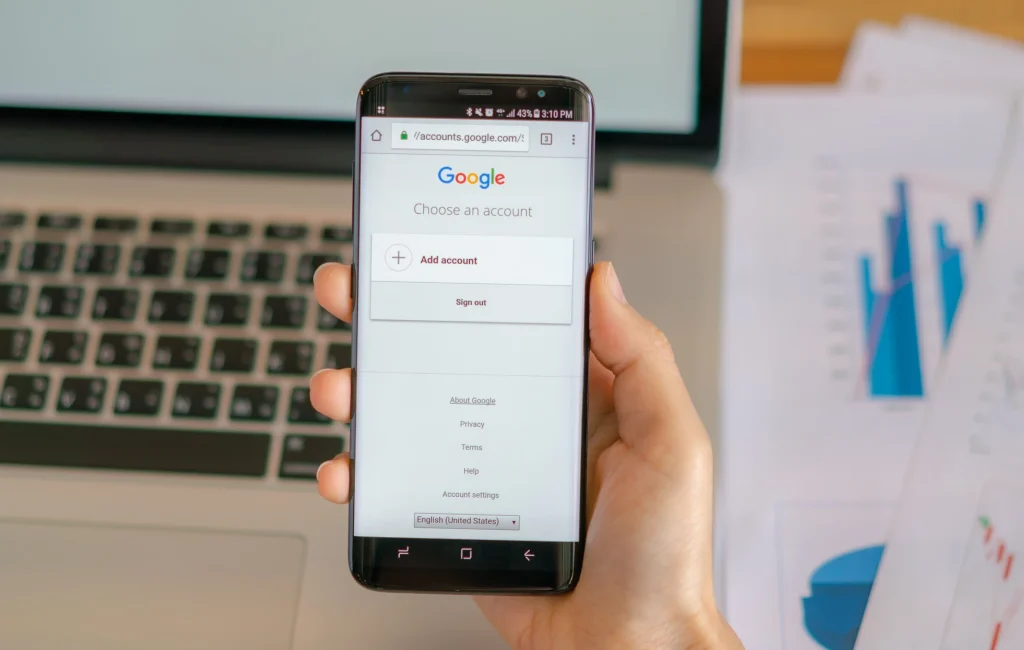
How Google Ads Works for Lead Generation
Google Ads targets people who are already searching.
- High intent users
- Clear need
- Immediate action
Examples:
- “enterprise marketing agency Cairo”
- “private healthcare clinic near me”
These users are ready to convert.
Advantages of Google Ads
- High-quality leads
- Faster conversion
- Clear user intent
Limitations of Google Ads
- Higher cost per click
- Limited by search volume
- Competitive keywords
How Meta Ads Works for Lead Generation
Meta Ads (Facebook & Instagram) targets users based on behavior and interests.
- Users are not actively searching
- You capture their attention in-feed
- You create awareness and interest
Advantages of Meta Ads
- Scalable reach
- Lower cost per click
- Strong creative flexibility
Limitations of Meta Ads
- Lower initial intent
- Requires strong creatives
- Needs nurturing before conversion
Google Ads vs Meta Ads: Which One Should You Choose?
The answer depends on your business situation.
Choose Google Ads if:
- Your audience is actively searching
- You want quick, high-intent leads
- You have a defined service demand
Choose Meta Ads if:
- You need to create awareness
- Your audience is not actively searching
- You want to scale reach
The Smart Approach: Using Both Together
The most effective strategy is not choosing one… it’s combining both.
Step 1: Use Meta Ads to Create Demand
- Build awareness
- Attract attention
- Educate your audience
Step 2: Capture Demand with Google Ads
- Target users who are now searching
- Convert warm leads
- Close the loop
How This Impacts Lead Quality
- Google Ads = fewer leads, higher quality
- Meta Ads = more leads, lower initial quality
But when combined:
- You improve both volume and quality
Common Mistakes Businesses Make
- Relying only on one platform
- Expecting Meta Ads to convert instantly
- Ignoring creative quality
- Not aligning ads with landing pages
Which platform is better for lead generation, Google Ads or Meta Ads?
The better platform depends on your goals and audience behavior. Google Ads is more effective for capturing high-intent leads who are actively searching, while Meta Ads is better for creating awareness and generating interest. The strongest results usually come from combining both platforms in a structured strategy.
Are Google Ads more expensive than Meta Ads?
Google Ads typically has a higher cost per click due to strong competition and high user intent. However, the leads generated are often more qualified. Meta Ads usually offers lower costs but requires more effort in nurturing and conversion optimization.
How can I improve lead generation using both platforms?
To improve lead generation, you should use Meta Ads to attract and educate your audience, then use Google Ads to capture users who are actively searching. Aligning your messaging, creatives, and landing pages across both platforms creates a more effective and scalable system.
Finally
The debate between Google Ads and Meta Ads is not about choosing one over the other, it’s about understanding how each platform works and how they complement each other. When used strategically, they don’t compete, they support each other. And businesses that understand this don’t just generate leads, they build a system that continuously brings in the right kind of leads at the right time.