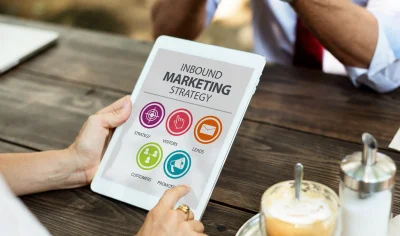

Meta Ads have become one of the most popular tools for lead generation. Low costs, massive reach, and flexible targeting make them attractive for almost any business. But here’s the reality… most campaigns fail. Not because the platform doesn’t work, but because businesses approach it the wrong way. They expect instant results from cold audiences, use weak creatives, and rely on generic offers that don’t stand out. The issue is not in Meta Ads itself, it’s in how the system is built. Lead generation on Meta is not about running ads, it’s about creating a structure that turns attention into intent, and intent into action.
How Meta Ads Actually Work for Lead Generation
Unlike search-based platforms, Meta Ads don’t capture demand.
They create it.
Users are:
- Scrolling
- Browsing
- Not actively searching
Your job is to:
- Stop the scroll
- Create interest
- Guide them toward action
Why Most Meta Lead Gen Campaigns Fail
The problem is rarely technical.
It’s strategic.
Common issues include:
- Weak or unclear offer
- Poor creatives
- Targeting too broad or too random
- No funnel structure
- Expecting immediate conversion
This leads to:
- Low-quality leads
- High CPA
- Frustration with the platform
The Core Elements of a Successful Meta Lead Generation System
A Strong, Clear Offer
Your offer is everything.
- What are you giving?
- Why should someone care?
- Why now?
Generic offers don’t convert.
Scroll-Stopping Creatives
Creative is the main driver of performance.
Focus on:
- Strong hooks
- Clear message
- Visual clarity
If the creative doesn’t stop attention, nothing else matters.
Audience Structure That Makes Sense
Avoid:
- Overly broad targeting
- Over-complicated segmentation
Instead:
- Start with structured testing
- Refine based on data
Funnel Thinking
Not every user is ready to convert.
Structure your funnel:
- Cold audience → awareness
- Warm audience → engagement
- Hot audience → conversion
Skipping this step increases CPA.
Landing Page or Lead Form Optimization
After the click:
Keep it simple
- Match the message
- Reduce friction
This is where conversion actually happens.
Meta Ads vs Other Platforms for Lead Generation
Meta Ads:
- Better for creating demand
- Strong for scaling
- Requires nurturing
Compared to search platforms:
- Lower intent initially
- Higher dependency on creatives
How to Improve Lead Quality from Meta Ads
- Qualify your offer
- Use better messaging
- Add filtering questions
- Align expectations clearly
Better leads start with better targeting and communication.
How do Meta Ads generate leads?
Meta Ads generate leads by targeting users based on interests, behaviors, and demographics. Instead of waiting for users to search, the platform introduces your offer to potential customers and guides them through a structured funnel toward conversion.
Why are my Meta Ads generating low-quality leads?
Low-quality leads usually result from weak targeting, unclear messaging, or generic offers. When the campaign does not properly qualify the audience or set clear expectations, it attracts users who are not ready or suitable for your service.

What is the best strategy for Meta lead generation?
The best strategy involves combining strong creatives, clear offers, and a structured funnel. Instead of pushing for immediate conversions, successful campaigns build awareness first, then move users toward action through multiple touchpoints.
Finally
Meta Ads are not a shortcut to leads, they are a system that requires structure, testing, and understanding of user behavior. When done right, they can scale your business and generate consistent opportunities. But when approached without strategy, they quickly turn into wasted budgets and missed expectations. The difference is not in the platform… it’s in how you use it.