
Running PPC campaigns is easy. Turning paid traffic into qualified leads is the real challenge.
Many businesses launch Google Ads, Meta Ads, or LinkedIn campaigns expecting immediate results, but the funnel is not ready. The ad attracts attention, the landing page is weak, the form asks the wrong questions, and the sales team cannot tell which leads are serious.
A strong PPC funnel strategy for lead generation connects every step: audience, intent, message, landing page, tracking, follow-up, and lead qualification.
What Is a PPC Funnel?
A PPC funnel is the journey a potential customer takes after seeing a paid ad.
It usually moves through three main stages:
Awareness: the user discovers the brand or problem.
Consideration: the user compares solutions and looks for trust.
Conversion: the user takes action, such as submitting a form, calling, booking, or requesting a quotation.
For lead generation, the goal is not only to generate more leads. The goal is to generate leads that can realistically become customers.
Why Lead Generation Campaigns Need a Funnel
A single ad cannot do all the work.
Some users are ready to contact you now. Others need education, proof, comparison, or repeated exposure before they convert. If every campaign pushes the same “Contact us now” message, you may lose users who are interested but not ready yet.
A funnel helps you build different messages for different levels of intent. This improves relevance, reduces wasted spend, and gives the sales team better opportunities.
Start with Lead Quality, Not Lead Volume
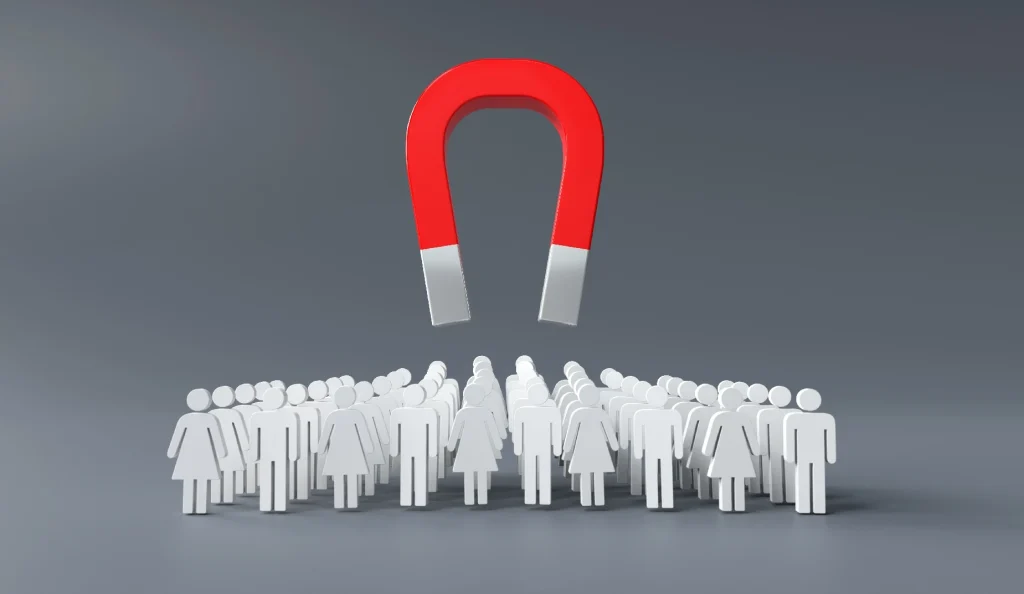
The biggest mistake in PPC lead generation is optimizing only for the cheapest cost per lead.
Cheap leads are not always good leads. A campaign may generate many form submissions, but if those leads have no budget, no authority, or no real intent, the campaign is not successful.
Before launching, define what a qualified lead means:
- Has the right budget.
- Needs the service now or soon.
- Fits the target market.
- Has decision-making power.
- Provides valid contact details.
- Matches your service area.
This definition should guide your campaign structure, form fields, and conversion tracking.
Match Campaigns to Funnel Stages
Each stage of the funnel needs a different campaign approach.
For awareness, you may use educational content, video ads, display campaigns, or social media campaigns to introduce the problem and build recognition.
For consideration, use case studies, service comparisons, testimonials, and problem-solution messaging.
For conversion, use high-intent search campaigns, strong landing pages, clear offers, and direct calls to action.
Google Ads Smart Bidding uses Google AI to optimize for conversions or conversion value in each auction, so your funnel should feed the system with meaningful conversion signals, not weak actions only.
Build Search Campaigns Around Intent
Search campaigns are usually strongest at the lower part of the funnel because users are actively looking for a solution.
For example:
- “Google Ads agency in Egypt”
- “branding agency for startups”
- “SEO company in Dubai”
- “lead generation agency”
These searches show clearer intent than general awareness traffic.
Your campaign structure should separate high-intent keywords from broader research terms. This allows better budget control and sharper ad messages.
Use Landing Pages Built for One Decision
A PPC landing page should not try to say everything.
It should match the ad, explain the offer clearly, build trust, and push one main action. A strong landing page usually includes a clear headline, short explanation, benefits, proof, process, testimonials or client examples, and a simple form.
If the ad is about PPC lead generation, the page should not send users to a general homepage with branding, social media, SEO, and web development all mixed together.
One campaign. One promise. One landing page direction.
Track the Right Conversions
Conversion tracking is the foundation of PPC optimization. Google explains that conversion tracking helps measure user actions after they click or view an ad, such as calls, purchases, app installs, and other valuable actions.
For lead generation, track actions such as:
- Qualified form submissions.
- Phone calls.
- WhatsApp clicks.
- Booking requests.
- Quote requests.
- CRM-qualified leads.
Do not optimize only for button clicks or page views. These may show interest, but they do not always represent real lead value.
Use Offline Conversion Tracking
Many lead generation businesses close deals after the online form is submitted. The sale may happen through a phone call, meeting, WhatsApp conversation, or sales follow-up.
Google’s offline conversion imports allow advertisers to measure what happens offline after an ad leads to a click or call.
This is important because it helps campaigns optimize toward better leads, not just more leads. For B2B, real estate, healthcare, and high-ticket services in Egypt and the Gulf, offline conversion tracking can make PPC performance much more accurate.
Retarget Users Who Did Not Convert
Not every interested user converts on the first visit.
Remarketing helps reconnect with people who visited your website, viewed a service page, opened a form, or engaged with your brand. Google Ads audience segments can include people based on their interests, research behavior, or how they have interacted with your business.
A good remarketing funnel may show:
- Case studies.
- Testimonials.
- Service explanations.
- Limited consultation offers.
- Comparison content.
This helps move users from interest to action.
Connect Marketing and Sales Feedback
PPC performance should not be judged only inside the ads dashboard.
The sales team should report which campaigns produce serious leads, which messages attract low-quality inquiries, and which landing pages bring better conversations.
This feedback helps improve keywords, ads, forms, targeting, and bidding strategy.
How ProBranding Builds PPC Funnels
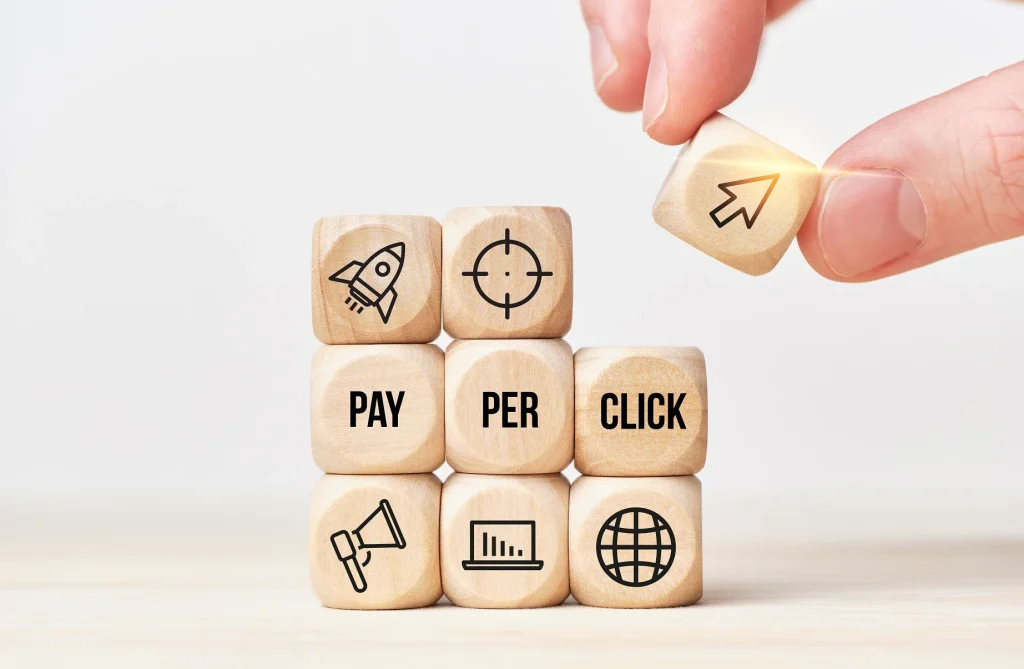
At ProBranding, PPC funnel strategy is built around business goals, lead quality, conversion tracking, landing pages, remarketing, and sales feedback.
For businesses in Egypt and the Gulf, this approach helps paid campaigns become more than traffic sources. It turns them into measurable lead generation systems.
Final Thoughts
A successful PPC funnel does not depend on ads alone. It depends on the full journey.
When your campaigns match user intent, your landing pages convert clearly, your tracking measures real value, and your remarketing supports decision-making, PPC becomes a stronger growth channel.
The goal is not more clicks. The goal is better leads.