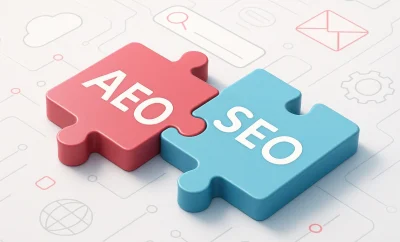

AI search is changing how people discover brands online. Users now ask longer, more specific questions, and search engines respond with summarized answers, supporting links, and direct recommendations.
This does not mean structured data is a shortcut to AI visibility. Google clearly states that structured data is not required for generative AI search, and there is no special schema markup that guarantees appearance in AI Overviews or AI Mode. However, structured data still plays an important role in SEO because it helps Google understand page content and supports eligibility for rich results.
For brands in Egypt and the Gulf, this matters because online competition is becoming more crowded. A website that is easier to understand, crawl, and classify has a stronger foundation for search visibility.
What Is Structured Data?
Structured data is a standardized way of giving search engines clear information about a webpage. Google uses structured data to understand the content of a page and gather information about entities mentioned in that page, such as organizations, people, products, articles, recipes, and other important elements.
In simple terms, structured data helps search engines read your website with more clarity.
For example, instead of only seeing text about your company, structured data can help clarify that your website belongs to an organization, offers specific services, operates in certain locations, and publishes specific types of content.
What Is Schema Markup?
Schema markup is the code used to add structured data to your website. The most common format recommended for modern websites is JSON-LD, which is usually added to the page code without changing what users visually see.
Schema does not replace strong content. It supports it.
If the page content is weak, vague, or thin, schema will not make it authoritative. But if the page already has useful content, schema can help search engines understand it more accurately.
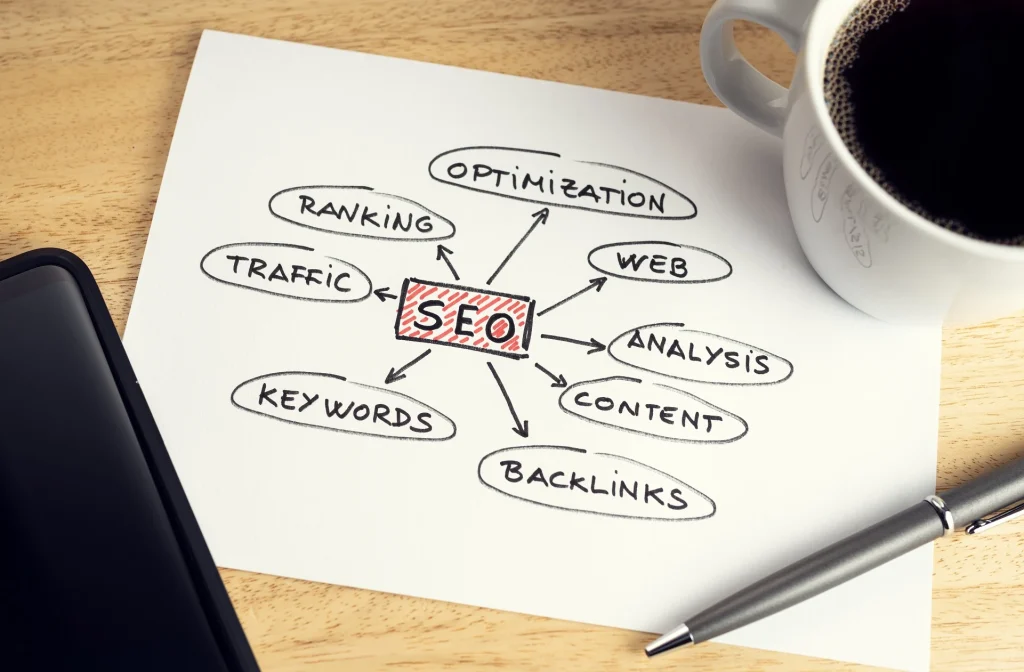
Why Structured Data Matters for AI Visibility
AI-powered search systems need to understand meaning, context, and relationships. Structured data helps clarify these relationships.
For example, a marketing agency website may need to make clear that it is an organization, offers branding, SEO, PPC, content marketing, media production, and website development, serves specific markets, and publishes expert articles around these services.
This clarity supports stronger entity understanding.
Google explains that pages must be indexed and eligible to appear in Search with a snippet to be eligible as supporting links in AI Overviews or AI Mode, and there are no extra technical requirements beyond standard Search requirements.
So, schema is not a magic AI ranking button. It is part of a stronger technical and content foundation.
Best Schema Types for Brand and AI Visibility
Organization Schema
Organization schema helps search engines understand your company as a clear entity. It can include your brand name, logo, website, contact information, social profiles, and business identifiers.
For ProBranding, this type of schema helps define the company as a strategic marketing, branding, SEO, PPC, media production, and digital execution partner serving Egypt and the Gulf.
Google’s structured data gallery includes Organization markup as a supported type that can help provide information such as logo, legal name, address, and contact details.
Local Business Schema
Local Business schema is useful for companies that serve specific locations or have a physical presence. It can include address, opening hours, phone number, service area, and business category.
For agencies, clinics, real estate companies, restaurants, and service providers in Egypt or the Gulf, this can help search engines connect the business to its market and location.
Article Schema
Article schema helps classify blog posts, guides, insights, and editorial content.
If your website publishes strategic articles about branding, SEO, PPC, AI search, or conversion optimization, Article schema can help search engines understand the page type, headline, author, publishing date, and content structure.
This is important because AI search visibility depends heavily on useful, clear, and well-structured content.
Service Schema
Service schema can be used to describe specific services such as branding, social media management, SEO, Google Ads, website development, or media production.
This can help make your service pages clearer to search engines, especially when each service has a dedicated page with strong visible content.
The key is to match the schema with the real page content. Do not add services in schema that are not clearly explained on the page.
FAQ Schema
FAQ schema can be useful when a page includes genuine questions and answers. It helps organize information clearly and can support better understanding of user intent.
However, FAQ content should be real and useful. Adding fake or repetitive questions only to target search engines can weaken the page quality.
Breadcrumb Schema
Breadcrumb schema helps search engines understand the page’s position within the website structure.
For example:
Home > Services > SEO
Home > Blog > AI Search Optimization
This supports better site organization and helps both users and search engines understand content hierarchy.
How to Use Structured Data Correctly
Match Schema with Visible Content
One of the most important rules is that structured data should reflect what is actually visible on the page.
If your schema says the page is about a service, the page should clearly explain that service. If your schema mentions a location, the page should include relevant location context.
Structured data should clarify the content, not exaggerate it.
Keep Brand Information Consistent
Your brand name, logo, contact details, social profiles, services, and location information should be consistent across your website and online profiles.
Consistency helps search engines understand your brand as a reliable entity.
For companies targeting Egypt and the Gulf, this is especially important because regional service areas, multilingual content, and multiple platforms can easily create inconsistency.
Combine Schema with Strong Internal Linking
Structured data works better when the website itself is organized.
A service page about SEO should link to related articles about AI search optimization, entity-based SEO, topical authority, and structured data. A branding page should link to articles about positioning, value proposition, brand voice, and identity systems.
This creates a stronger topic network.
Do Not Overdepend on Schema
Google specifically warns against overfocusing on structured data for generative AI search. Structured data is useful, but it is not a replacement for helpful content, good page experience, technical SEO, and overall website quality.
The strongest approach is to combine schema with expert content, clear headings, fast loading pages, internal linking, and strong service pages.

How ProBranding Approaches Schema for AI Visibility
At ProBranding, structured data is treated as one part of a complete SEO and AI visibility system.
The process connects technical SEO, entity mapping, schema markup, content structure, service page optimization, topical authority, and conversion-focused writing.
The goal is not only to help search engines understand the website. The goal is to help the right audience discover, trust, and choose the brand.
For businesses in Egypt and the Gulf, this approach is especially important because digital competition is no longer about publishing more pages. It is about building clearer authority.
Final Thoughts
Structured data and schema can help search engines understand your website better, but they are not a guaranteed path to AI visibility.
The real value comes when schema supports strong content, clear brand entities, technical accessibility, and a well-organized website.
AI search rewards clarity. Structured data helps create that clarity.